Detecting water damage early is vital to protecting your home and reducing repair costs. Musty smells, soft drywall and ceilings and unexplained spikes in your water bill are all signs of hidden leaks that require professional All Pro Services remediation.
Remediation specialists help safeguard your home from hazards such as mold, asbestos, biohazards, fire damage and contaminated air. Regular inspections help identify problems and support home improvement projects like basement waterproofing and impact window replacements.
Unusual Smells
Water damage doesn’t always show visible signs and can be difficult to detect. However, there are some key indicators that homeowners should look out for. One of the most important is a musty odor. This smell is caused by trapped moisture and can signal an existing problem. It’s also important to watch out for discoloration or stains on the ceilings, walls, and floors. These can indicate that the materials are being saturated by water and that there is a leak somewhere in the home. Finally, warped floors and buckling wood are also signs of hidden water damage.
If you notice any of these symptoms, it’s important to call a remediation specialist right away. Professionals can inspect your home using advanced tools and techniques to find hidden problems, such as moisture meters and thermal imaging. They can also provide you with a detailed assessment of the damage and recommend a course of action for restoring your home.
A sudden increase in your water bill may also be a sign of hidden damage. This is particularly true if the increase doesn’t match your water usage.
Ignoring hidden water damage can lead to extensive repairs and create health risks for your family. It can also depreciate the value of your home and make it less appealing to potential buyers. By identifying and acting quickly on these issues, you can protect your property and keep it safe for your family.
Unusual Sights
Unlike water damage caused by a flash flood or burst pipe, hidden leaks can go unnoticed for weeks or months and result in costly structural damage and mold growth. Detecting these issues early can help homeowners save money and avoid serious health risks. To help identify hidden leaks, look for a musty smell and a buildup of moisture around or behind walls.
When hidden leaks go unnoticed, mold and mildew may begin to grow, which not only affects your home’s air quality but can also cause health problems for you and your family. A musty smell indicates a buildup of mold and mildew, which thrive in damp, hidden areas like behind walls, in ceilings, or underneath flooring.
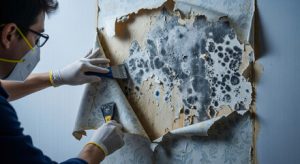
Other signs of hidden leaks include discoloration and stains on ceilings or walls, especially yellowish or brown patches. In addition, peeling paint or bubbling wallpaper may indicate that the surface has lost its adherence to the wall. Dampness or moisture under drywall can lead to warping and buckling in the wall, which can cause major structural damage.
Unexpected increases in your water bill can be an indicator of a hidden leak, as even a small leak can waste hundreds of gallons of water over time. If you notice a spike in your water bill without any significant changes in water usage, it’s important to investigate and call a specialist for hidden leak detection.
When evaluating for hidden water damage, it’s important to inspect all rooms of your house, especially those that are harder to access or don’t get much use. You should also run your hands along any suspected areas to check for bumps, ridges, or soft spots that suggest moisture.
Unexpected Increases in Water Bills
Water damage can be costly and even dangerous to your health. It also depreciates your property value and makes your home less attractive to potential buyers. Identifying hidden water damage early and taking the appropriate action helps protect your investment and property value and avoid major repairs.
When we think of water leaks, most of us picture dripping faucets or puddles under sinks, but not all leaks are so obvious. Some sneak through walls or under floors where they’re not easily visible, but still wreak havoc. These secret leaks can rack up your water bill and cause hidden water damage over time.
An unexplained increase in your water bill is one of the top signs of hidden water damage. While changes in household routines, such as guests staying for an extended period, a new work-from-home schedule, or seasonal activities like garden watering and pool filling, can also raise your water usage, an unexplained increase usually points to plumbing problems that require immediate attention.
A professional water restoration service has the equipment and experience to detect moisture in areas that you can’t see. Moisture meters and thermal imaging can reveal dampness in hidden spaces, including behind walls or under flooring. The sooner a water damage remediation company addresses the issue, the better.
Water damage is not just a nuisance; it can also affect the structural integrity of your property and lead to mold growth, which poses a serious health risk for you and your family. Lingering musty odors, stains, discoloration, and warped floors or wood are other indicators of hidden water damage that should never be ignored. Addressing the problem quickly and effectively limits the extent of damage and prevents mold growth, which can affect your health and the quality of air in your home.
Discoloration or Stains
Water damage that is detected and addressed quickly can result in minor repairs and a minimized risk of mold growth. When water damage is left unchecked, however, it can escalate into a major restoration project involving extensive structural damage, toxic mold colonies, and costly repairs.
If you notice unexplained stains on ceilings or walls, or if your paint is peeling or the wallpaper seems to be pulling away from the wall, it is likely because of hidden water damage. Water seeps through porous surfaces and leaves behind discoloration that can range from yellow or brown to dark rust, depending on the source of the water ingress.
Another warning sign of hidden water damage is standing water or damp areas around the home, particularly in closets, basements, laundry rooms, and other places where you would not expect to find moisture. If you notice pools of water around the home, it is often a sign that a water intrusion has been occurring for weeks or months and will require a rapid response from your water remediation specialists.
Persistent musty odors are also indicative of hidden water damage and mold growth. This odor is the result of microbial volatile organic compounds (MVOCs) released by mold and mildew as they digest the organic materials in your home. Persistent odors are especially dangerous because they can linger for weeks or even years before becoming visible.
Other signs of hidden water damage include doors or windows that don’t close properly or floors that seem to be shifting, buckling, or sagging. Structural changes are the result of hidden water damage that saturates wood framing, weakens floor or wall joists, or ruins foundations and other support structures.
Warped Floors or Wood
Even a small leak can lead to extensive damage over time. If left unchecked, it can compromise your home’s structure and depreciate its resale value. It can also foster mold growth and pose serious health risks. Ignored water damage may also affect electrical systems, creating a fire hazard and posing a safety risk for your family. Fortunately, regular inspections and preventative measures can help you stay ahead of hidden water damage.
A musty odor is one of the first indicators that your property has moisture problems. It typically develops in areas of the home where water seeps through porous materials such as drywall and insulation. Other warning signs include discoloration of walls or ceilings and peeling wallpaper. In addition, unexplained increases in your water bills may suggest that you have a hidden leak in your plumbing system or roof.
Wood floors are particularly vulnerable to water damage, resulting in warping over time. Some common issues include cupping (where the edges of wood planks lift up), buckling (created by longitudinal shrinkage) and twisting (where the grain is not aligned with its sides).
If your hardwoods are warping, you can try a few simple fixes. Drying the affected area and introducing more humidity control are usually the best strategies, but you can also try placing heavy objects over the warped wood to flatten it. If the problem is severe, however, you may need to replace the damaged boards altogether.